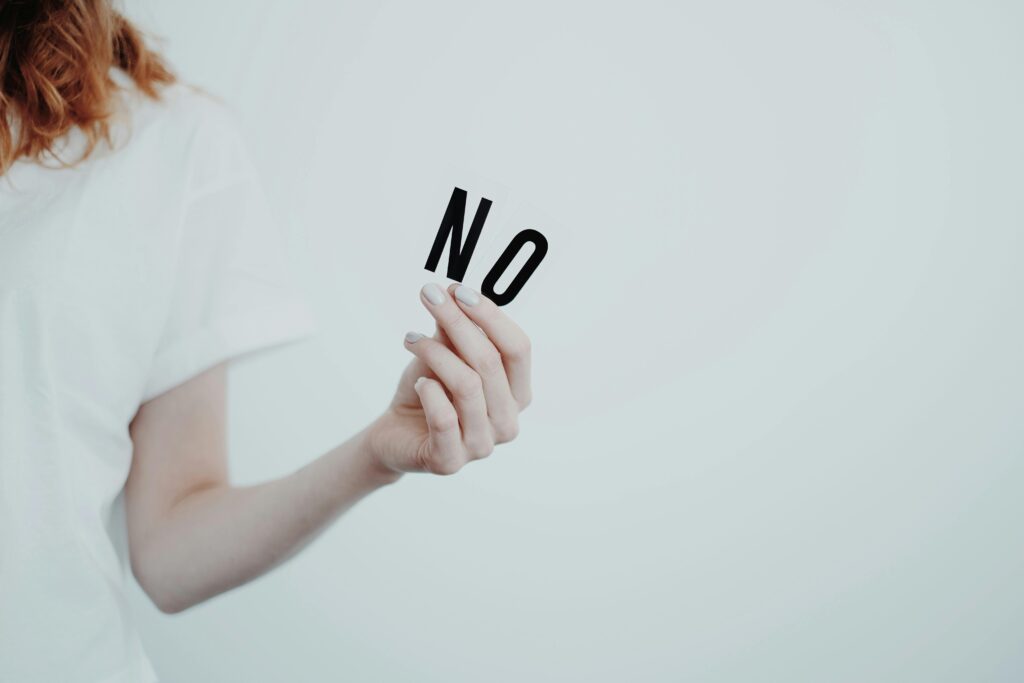
There’s a reason conversations about boundaries have become so common lately. More people are realizing that many of the things they once called “love,” “loyalty,” or “commitment” were actually exhaustion, people-pleasing, emotional manipulation, or fear of disappointing others.
Healthy boundaries are not walls meant to shut people out. They are guidelines that protect your peace, your emotional wellbeing, and your relationships. Without them, people often end up resentful, drained, overwhelmed, or stuck in unhealthy situations far longer than they should be.
And honestly, you can usually tell the difference between healthy and unhealthy boundaries by how they make people feel. Healthy boundaries create respect, safety, honesty, and peace. Unhealthy boundaries often create fear, control, guilt, confusion, or isolation.
Healthy Relationships Respect Boundaries
One of the clearest signs of healthy boundaries is open communication.
As a reddit user explained:
“From what I’ve seen and experienced, a healthy relationship is a team that communicates effectively, and an unhealthy one has a personal agenda that has something to hide.”
That really captures the difference. In healthy relationships, people are not constantly trying to control each other, manipulate outcomes, or hide parts of themselves. They communicate honestly, even when conversations are uncomfortable.
Healthy boundaries allow both people to say:
- “I’m uncomfortable with this.”
- “I need space.”
- “I can’t do that.”
- “I need support.”
- “That hurt me.”
…without fear of punishment.
Unhealthy relationships, on the other hand, often punish boundaries. Someone becomes angry when told no. They guilt-trip you. They mock your feelings. They make you feel selfish for having needs.
Over time, this can make people abandon their own limits just to keep the peace.
“For the Sake of the Children” Isn’t Always Healthy
One topic that came up repeatedly in discussions about unhealthy boundaries was staying in miserable relationships for appearances or obligation.
Many people grow up hearing phrases like:
- “Stay together for the kids.”
- “Children need both parents under one roof.”
- “Marriage means enduring no matter what.”
But children do not just observe whether parents stay together. They absorb the emotional atmosphere of the home.
One person shared how their sister stayed in an unhealthy relationship “for the sake of the children,” even though she was deeply unhappy and jealous of healthier relationships around her.
Others spoke from the perspective of the children themselves. Several adults admitted they were actually glad their parents divorced because living in a toxic household caused lasting emotional damage.
Another reddit user said:
“I would have so much preferred to never know my parents being married and have experienced them being the best versions of themselves.”
That’s powerful.
Children learn boundaries from what they witness. If they grow up watching constant disrespect, emotional neglect, manipulation, silent treatment, fear, or resentment, they may begin to see those behaviors as normal.
Healthy boundaries sometimes mean admitting that a relationship is no longer healthy and choosing peace over appearances.
Healthy Boundaries Mean You Can Say No
This sounds simple, but many people struggle with it.
A healthy boundary means someone can say:
“I don’t want to do that.”
…and that answer is respected.
No interrogation.
No guilt trips.
No emotional punishment.
This applies to everything:
- Social events
- Family obligations
- Emotional labor
- Physical affection
- Conversations
- Favors
- Time commitments
One example shared involved a woman with social anxiety whose partner forced her to attend events anyway because he believed she was “making a big deal out of nothing.”
That is not respect.
You do not have to fully understand someone’s feelings in order to honor their boundaries.
Healthy people recognize that others are allowed to experience life differently than they do.
Healthy Boundaries Protect — They Don’t Control
This is where many people get confused.
A boundary is about controlling your own behavior, not controlling someone else.
Healthy boundaries sound like:
- “I won’t stay in conversations where I’m being insulted.”
- “I need time alone to recharge.”
- “I can’t lend money right now.”
- “I’m unavailable after 9 PM.”
- “I’m not comfortable discussing that.”
Unhealthy “boundaries” often sound more like attempts to control others:
- “You’re not allowed to have friends.”
- “You must answer me immediately.”
- “If you upset me, I’ll ignore you for days.”
- “You can’t spend time with your family.”
- “You need to change to make me happy.”
One person explained it perfectly:
“Healthy boundaries protect what you’ve got and don’t let people abuse or walk all over you, but you still care for others and the good stuff in life can still get through.”
That image matters. Healthy boundaries are not giant walls that isolate you from everyone. They are more like fences with gates — they keep harmful behavior out while still allowing connection, love, and trust in.
Unhealthy Boundaries Can Become Extreme
Interestingly, even healthy ideas can become unhealthy when taken too far.
For example:
“I won’t take responsibility for things that are not my problem.”
That’s healthy.
But taken to an extreme, it can become:
“Other people being harmed is not my concern.”
That’s not emotional health anymore. That’s avoidance and lack of empathy.
Boundaries should protect your wellbeing without removing compassion, accountability, or consideration for others.
A healthy boundary does not mean:
- Never helping anyone
- Never compromising
- Never apologizing
- Never showing vulnerability
- Cutting everyone off the second conflict appears
Relationships still require kindness, flexibility, empathy, and communication.
Signs You May Have Healthy Boundaries
People with healthy boundaries often experience more peace in their relationships because they are not constantly abandoning themselves to please others.
Some signs include:
You can say no without overwhelming guilt
You understand that protecting your time and energy is not selfish.
You ask for what you need
Instead of expecting people to read your mind, you communicate directly.
You don’t overexplain yourself
You realize not every decision requires a lengthy defense.
You don’t feel responsible for fixing everyone
You can support people without carrying their entire emotional burden.
You make time for yourself
You understand that constantly pouring from an empty cup leads to burnout.
You don’t stay around toxic behavior indefinitely
Even when it’s family.
You don’t need constant validation
Your sense of worth does not completely depend on others approving of you.
Your relationships feel balanced
Not one-sided, draining, or manipulative.
You apologize when necessary
But not for simply existing or having needs.
You feel more peace than chaos
Healthy boundaries often reduce emotional exhaustion.
One person summed it up beautifully:
“I think you will know if you have healthy boundaries depending on how you feel. Do you feel at peace?”
That question alone reveals a lot.
Signs of Unhealthy Boundaries
On the flip side, unhealthy boundaries often leave people emotionally depleted.
Some warning signs include:
Constant resentment
You say yes when you want to say no and secretly feel angry afterward.
Feeling emotionally drained all the time
You are overextending yourself for everyone else.
Fear of disappointing people
You avoid setting limits because you fear conflict or rejection.
Letting others repeatedly disrespect you
Even after you’ve expressed discomfort.
Using silence, guilt, or withdrawal to punish others
That’s manipulation, not boundary-setting.
Expecting others to manage your emotions
Healthy boundaries require personal responsibility too.
Isolating yourself completely
Boundaries should not completely cut you off from healthy connection.
Staying in harmful relationships because of guilt
Especially out of fear of judgment or obligation.
Needing control over others
Boundaries are about self-management, not domination.
Boundaries Need Consequences
One person made an important point:
“The unhealthy part comes when the boundary is violated and they are not held to the consequences.”
A boundary without follow-through becomes a suggestion.
For example:
- If someone constantly insults you and you continue engaging as normal, the boundary is not being enforced.
- If someone repeatedly ignores your limits and nothing changes, resentment builds.
Consequences do not have to be dramatic or cruel. Sometimes they simply look like:
- Leaving the conversation
- Saying no
- Taking space
- Limiting access
- Ending the relationship
Healthy people respect boundaries. Unsafe people often become angry when they can no longer benefit from your lack of them.
A Book Worth Reading on Healthy Boundaries
If learning to set healthy boundaries feels uncomfortable or unfamiliar, you’re definitely not alone. Many people were raised to prioritize keeping others happy over protecting their own peace, which is why boundary-setting can feel so difficult at first.
One helpful resource is the book Healthy Boundaries: How to Set Strong Boundaries, Say No Without Guilt, and Maintain Good Relationships With Your Parents, Family, and Friends by Chase Hill.
Final Thoughts
Healthy boundaries are not about becoming cold, selfish, or difficult. They are about learning that your needs, feelings, time, and emotional safety matter too.
The truth is, boundaries often reveal who truly respects you.
Some people will appreciate your honesty. Others may resist because they benefited from your silence, overgiving, or lack of limits.
But over time, healthy boundaries create healthier relationships. They allow people to love each other honestly instead of through resentment, fear, obligation, or control.
And perhaps the biggest sign of healthy boundaries is this:
You no longer feel like you have to lose yourself in order to keep other people comfortable.
A Gentle Reminder to Care for Yourself
Doing this work; setting boundaries, holding them, and staying grounded is emotional.
Don’t forget to support yourself in small, practical ways too. Whether it’s creating a calming environment with soothing scents or simply allowing your body to relax at home, those little things matter more than we think.
If you need ideas, you can explore some of my favorites here:
– Best essential oils for relaxation
– Most comfortable slippers for everyday comfort
Reference materials
Can a Boundary Become Unhealthy?